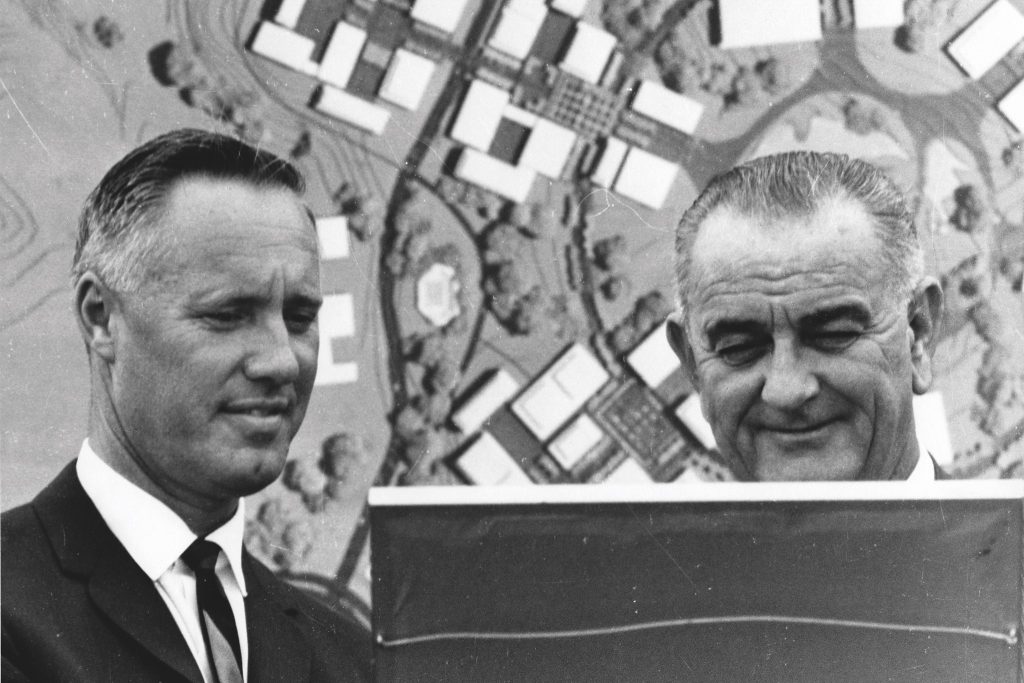
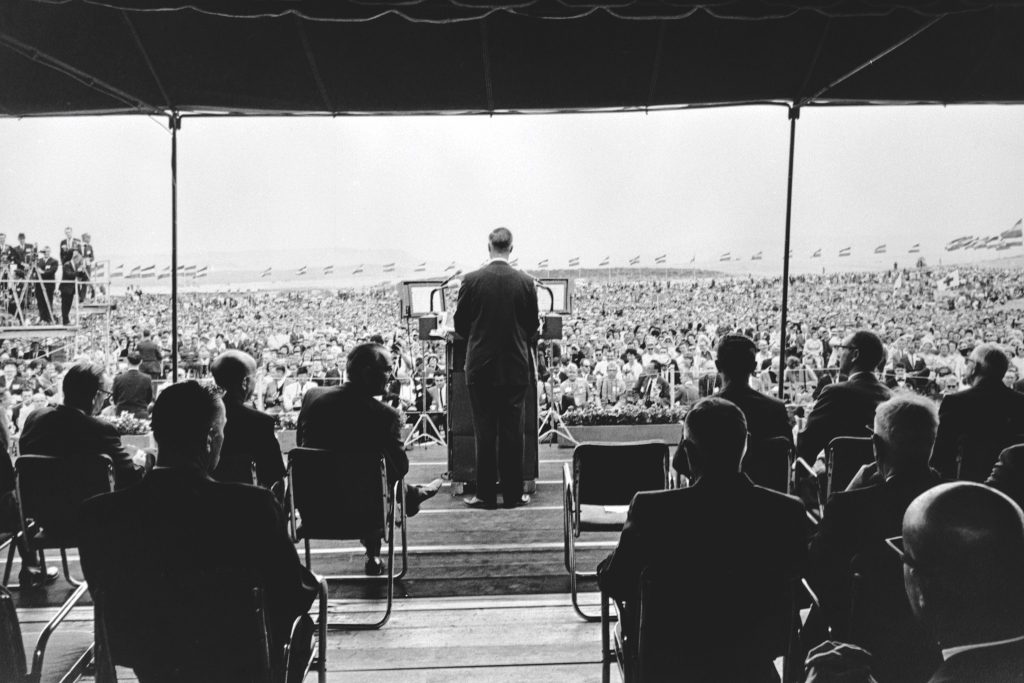
More than 15,000 people gathered in a sparse field on June 20, 1964, to hear President Lyndon B. Johnson and other dignitaries dedicate UC Irvine’s campus. Many drove or walked down the narrow, two-lane dirt road that connected the site with the outside world. When the first 1,589 students arrived a year later, they would find visionary architect William Pereira’s partially completed circular hub of buildings waiting, with a design that promised, “This is what the future here will look like.”
The present-day campus, recognized repeatedly as home to one of the top 10 public universities in the nation, boasts over 37,000 students and nearly 200 buildings. In the past decade alone, more than a dozen significant construction projects have altered not only UC Irvine’s landscape but its very fabric.
They seem to express a new message: “This is the future. Let’s fulfill its promise.” On the following pages, we highlight a few of those more recent additions.
President Lyndon B. Johnson and other dignitaries dedicate UC Irvine’s campus.
“In the years to come, a great university and community will rise at Irvine. It will have been built by people with vision and with faith in the future — all of the people of California.”
Gov. Edmund G. “Pat” Brown
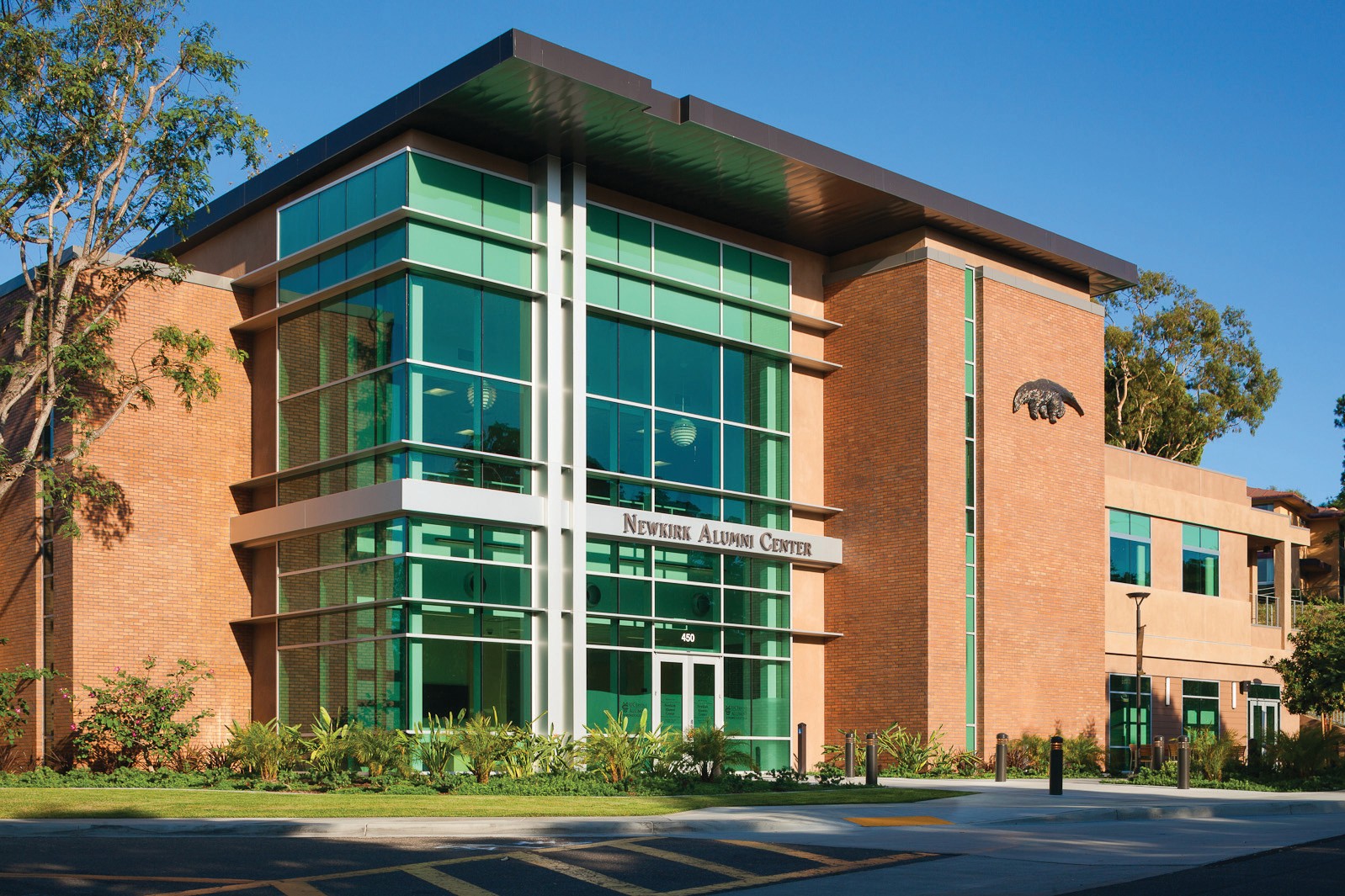
2015: Newkirk Alumni Center – On the northwest edge of campus, the center is home to the UC Irvine Alumni Association and serves as a welcoming gateway for visiting alumni. The building is certified LEED Platinum for energy efficiency, one of 23 such buildings on campus – a record among U.S. universities.
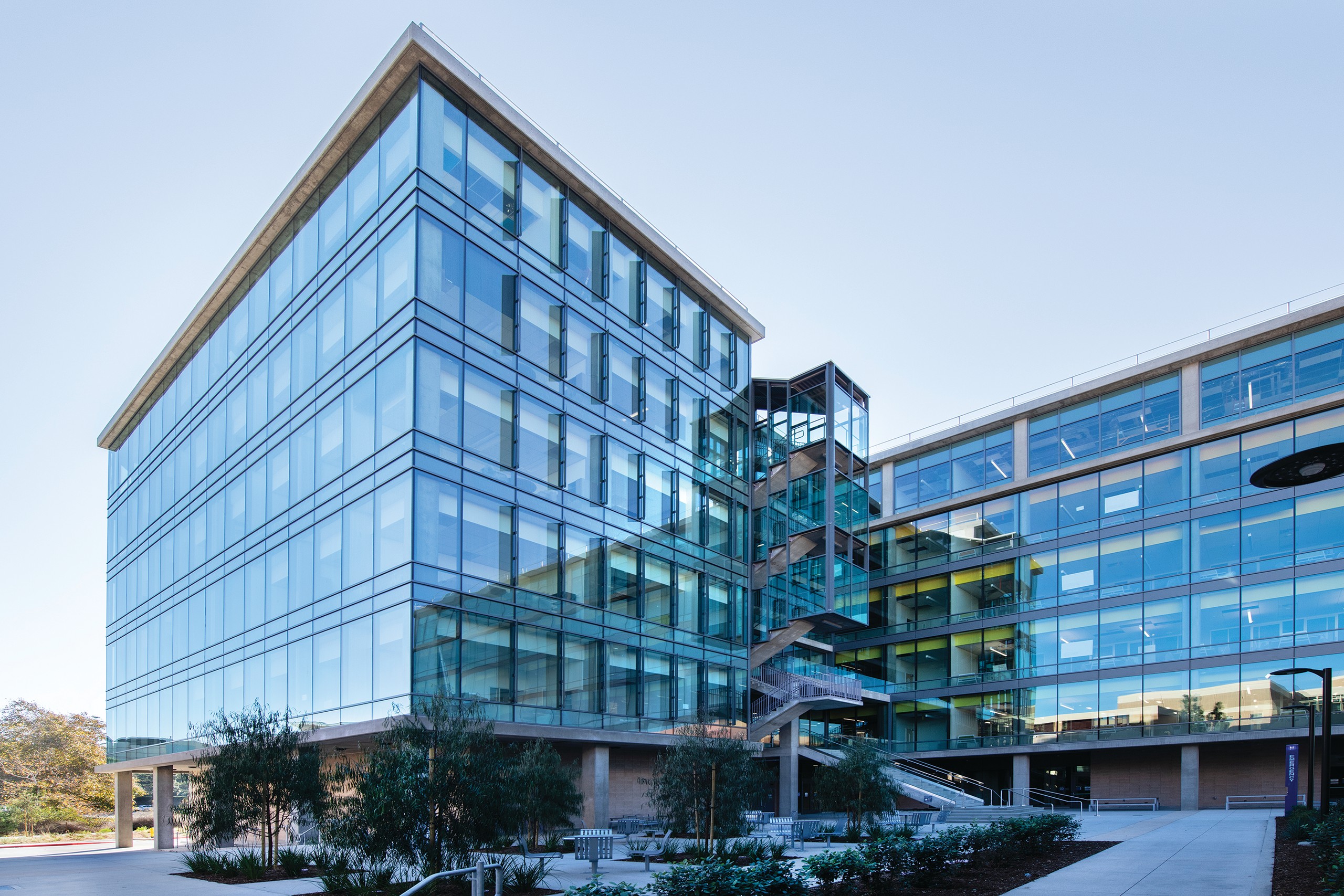
2020: Susan & Henry Samueli Interdisciplinary Science and Engineering Building – This six-story, 205,000-square-foot structure is home to several departments from The Henry Samueli School of Engineering, the Donald Bren School of Information & Computer Sciences and the School of Physical Sciences and is devoted to fostering collaboration and scientific discovery among faculty, researchers and students in those disciplines. The building houses key wet and dry laboratory facilities, as well as high-tech conference spaces.
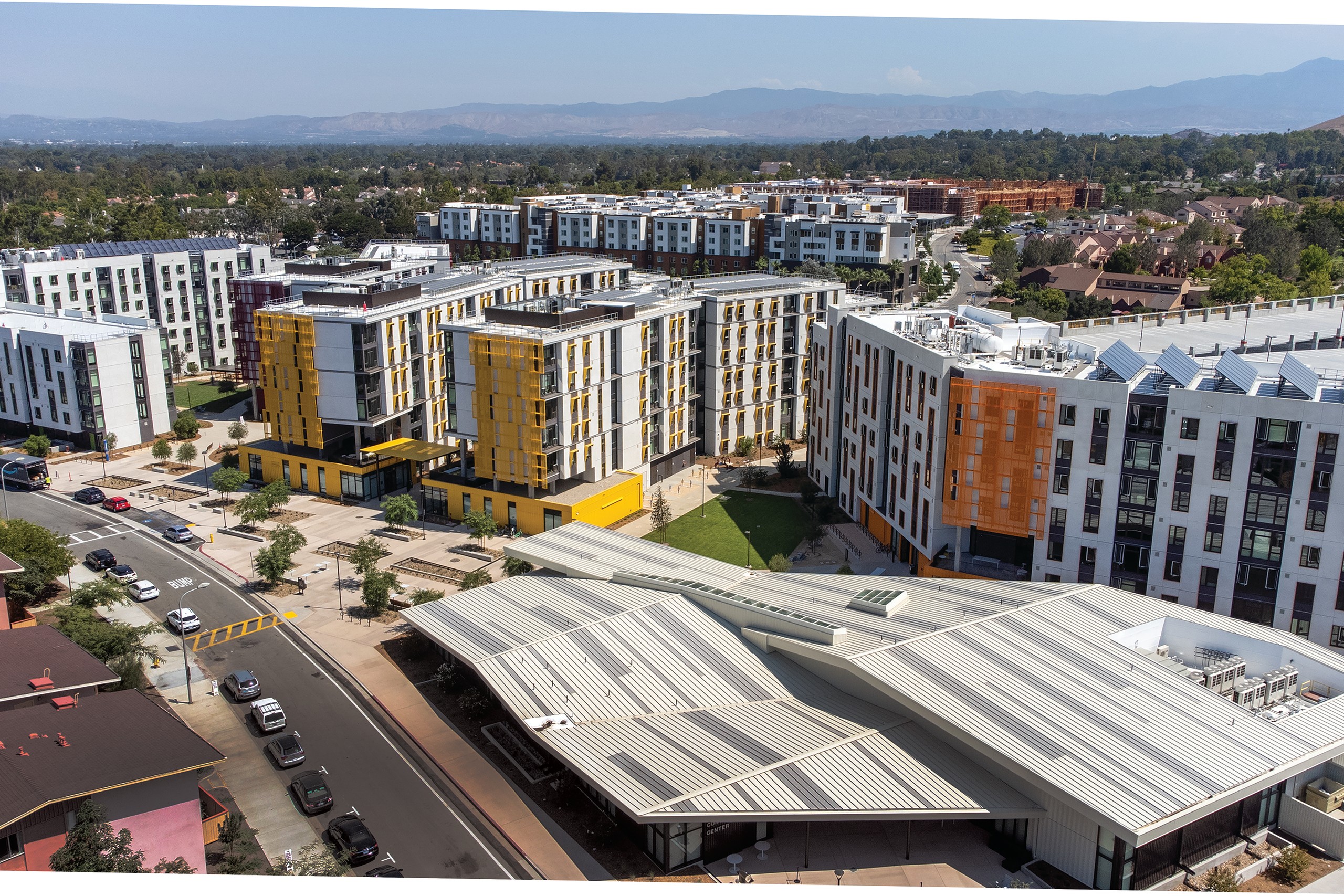
2022: Verano 8 Graduate Student Housing – This project added five residential towers and a community center for graduate students, with room for 1,055 beds in studio, two-bedroom and four-bedroom units. As with other housing expansions, the towers have more stories – following UC regents’ guidelines for maximizing the use of space and contributing to UC Irvine’s goal of creating housing for 100 percent of its graduate students.
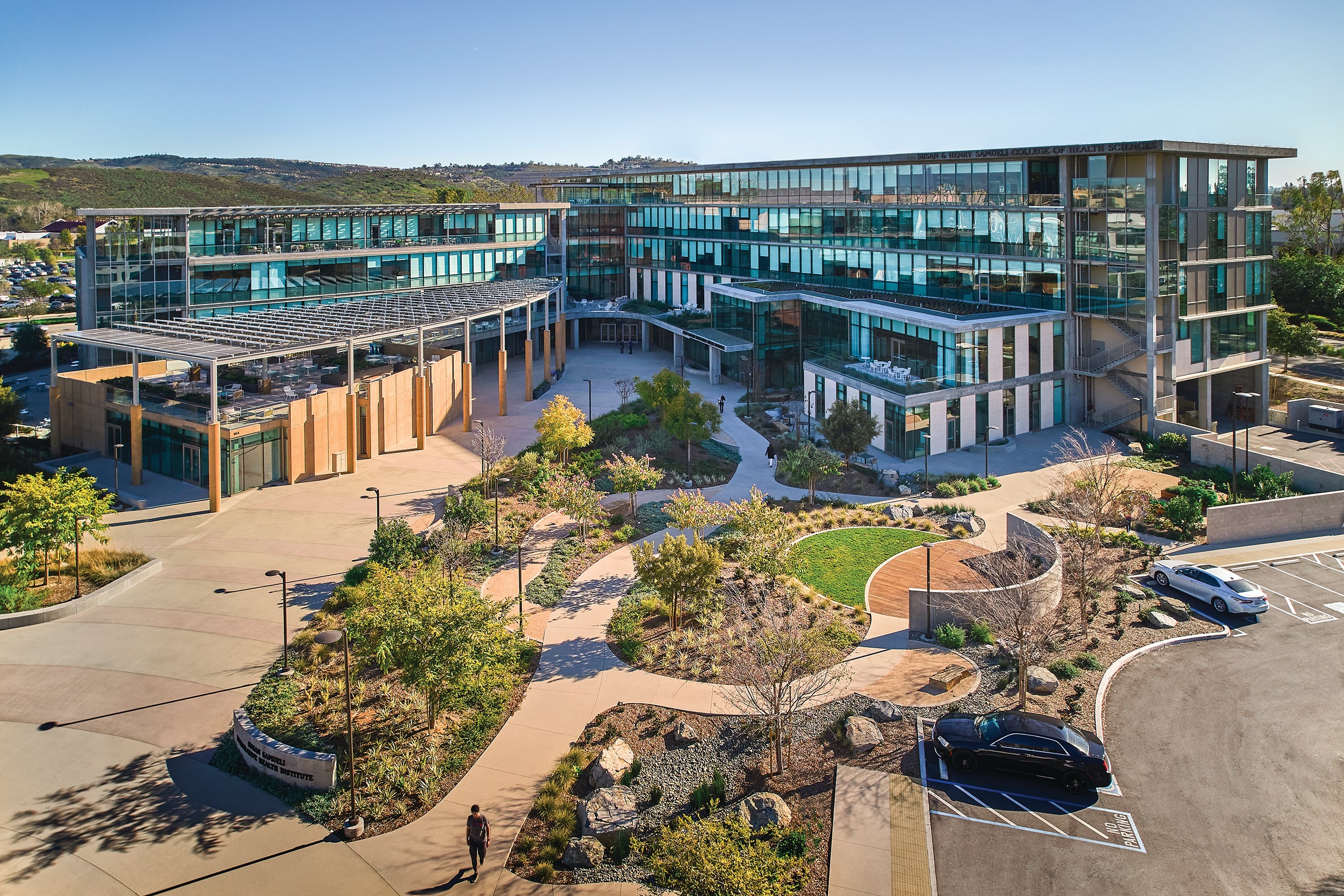
2022: Susan & Henry Samueli College of Health Sciences – Located at California and Bison avenues, the landmark 9-acre health sciences complex is home to the Joe C. Wen School of Population & Public Health, the School of Pharmacy & Pharmaceutical Sciences and the Susan Samueli Integrative Health Institute. This five-story building contains research areas, instructional spaces, student support facilities and other sites devoted to integrative health practices.
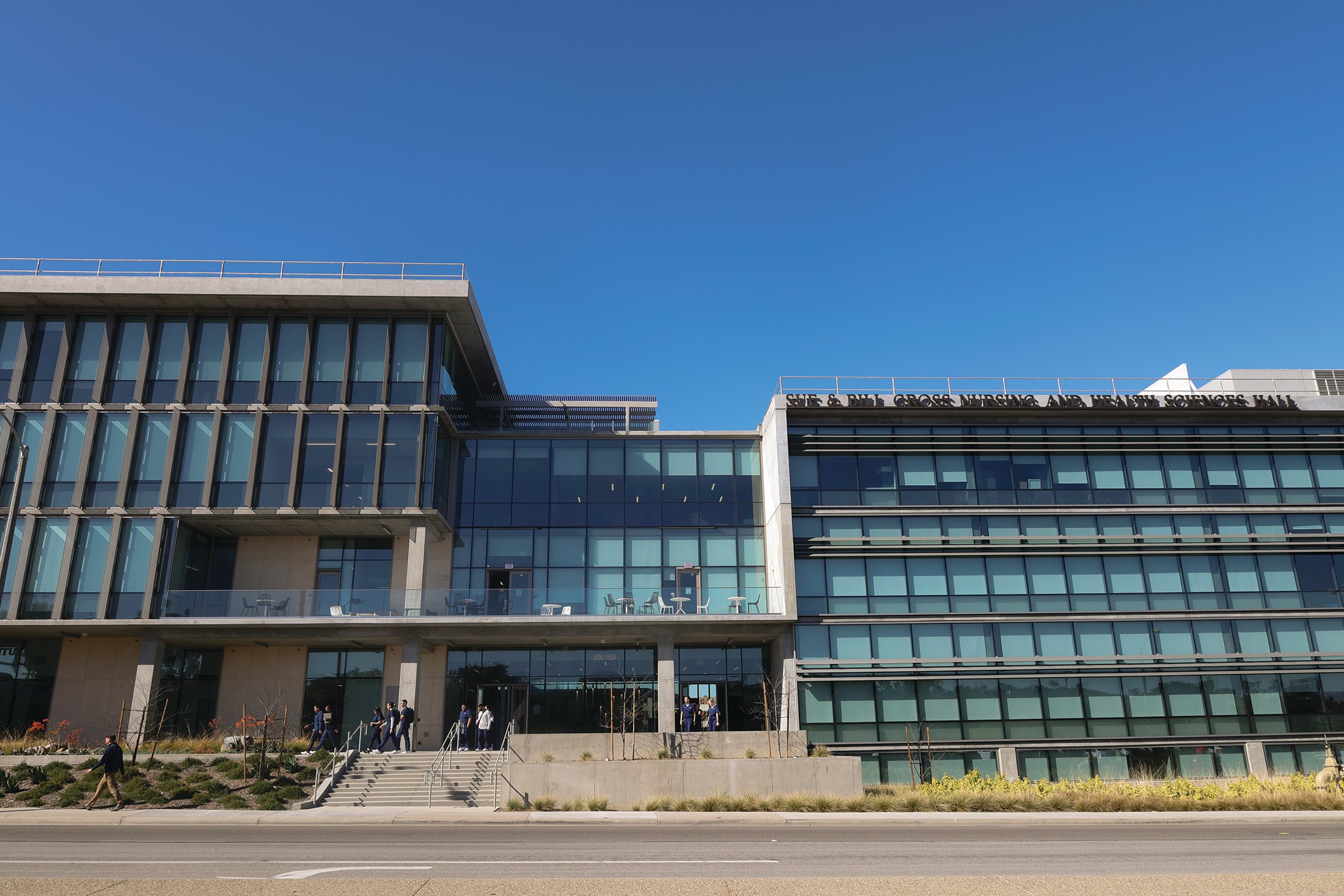
2022: Sue & Bill Gross Nursing and Health Sciences Hall – This four-story facility is designed to train and advance the next generations of nurses. It features a high-tech simulation center for team-based interprofessional exercises. The hall is connected by common space with the Susan & Henry Samueli College of Health Sciences building to encourage interdisciplinary collaborations.
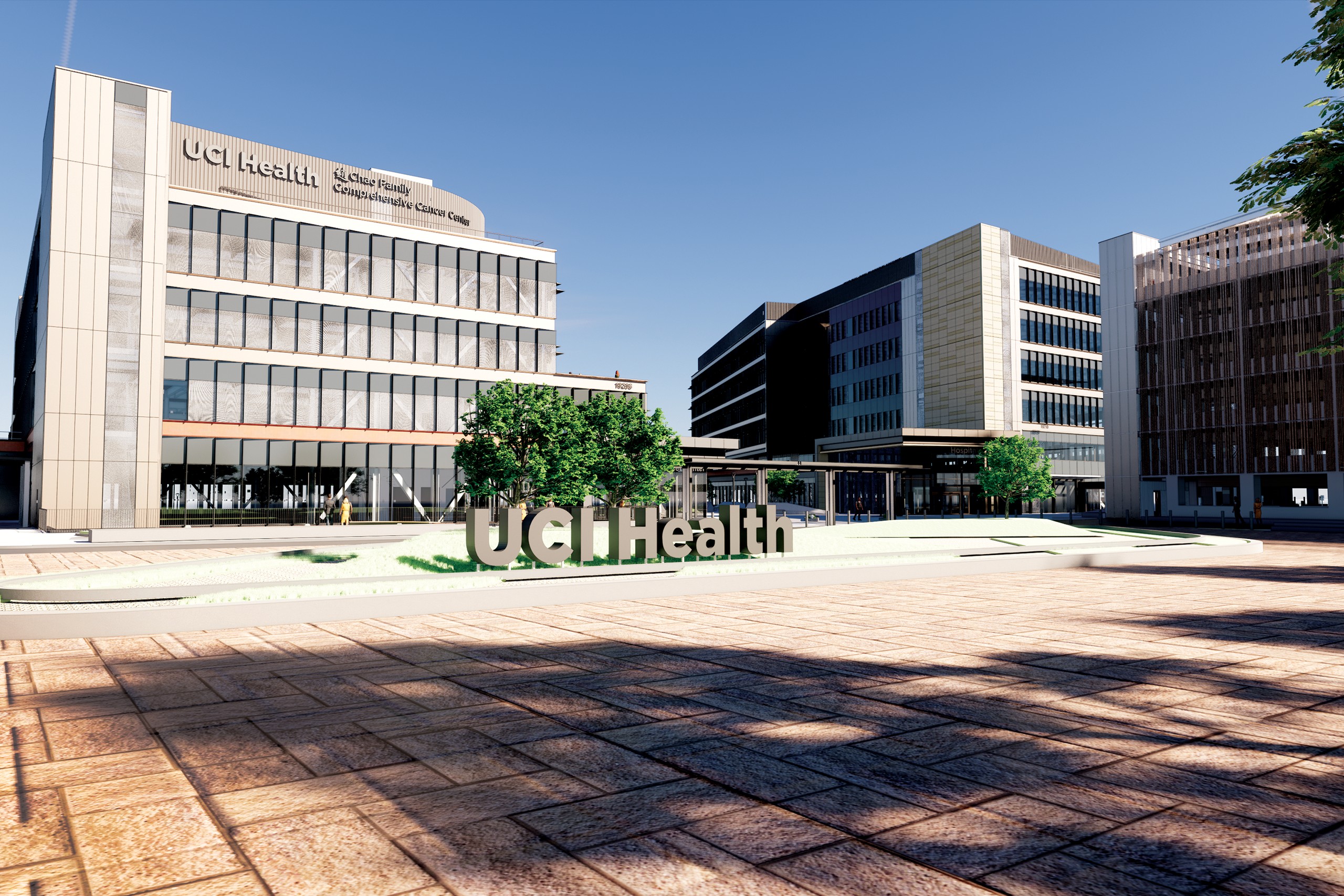
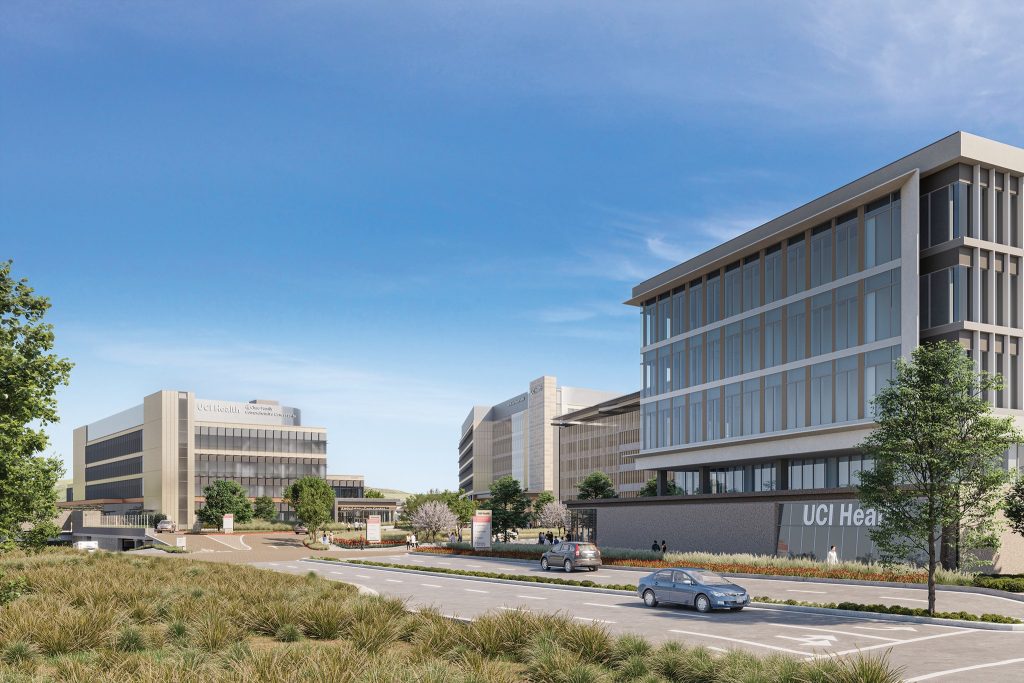
2024: Chao Family Comprehensive Cancer Center & Ambulatory Care – This 225,000-square-foot, five-story building includes 52 private exam rooms and eight outpatient operating rooms. It offers advanced specialty services in oncology, neurology and neurological surgery, orthopedics, spine issues, and digestive diseases. One of its unique features is an infusion center with 26 infusion bays, several of them available on a terrace, where patients can receive their lengthy treatments outdoors, overlooking the scenic wonders of the San Joaquin Marsh Reserve.
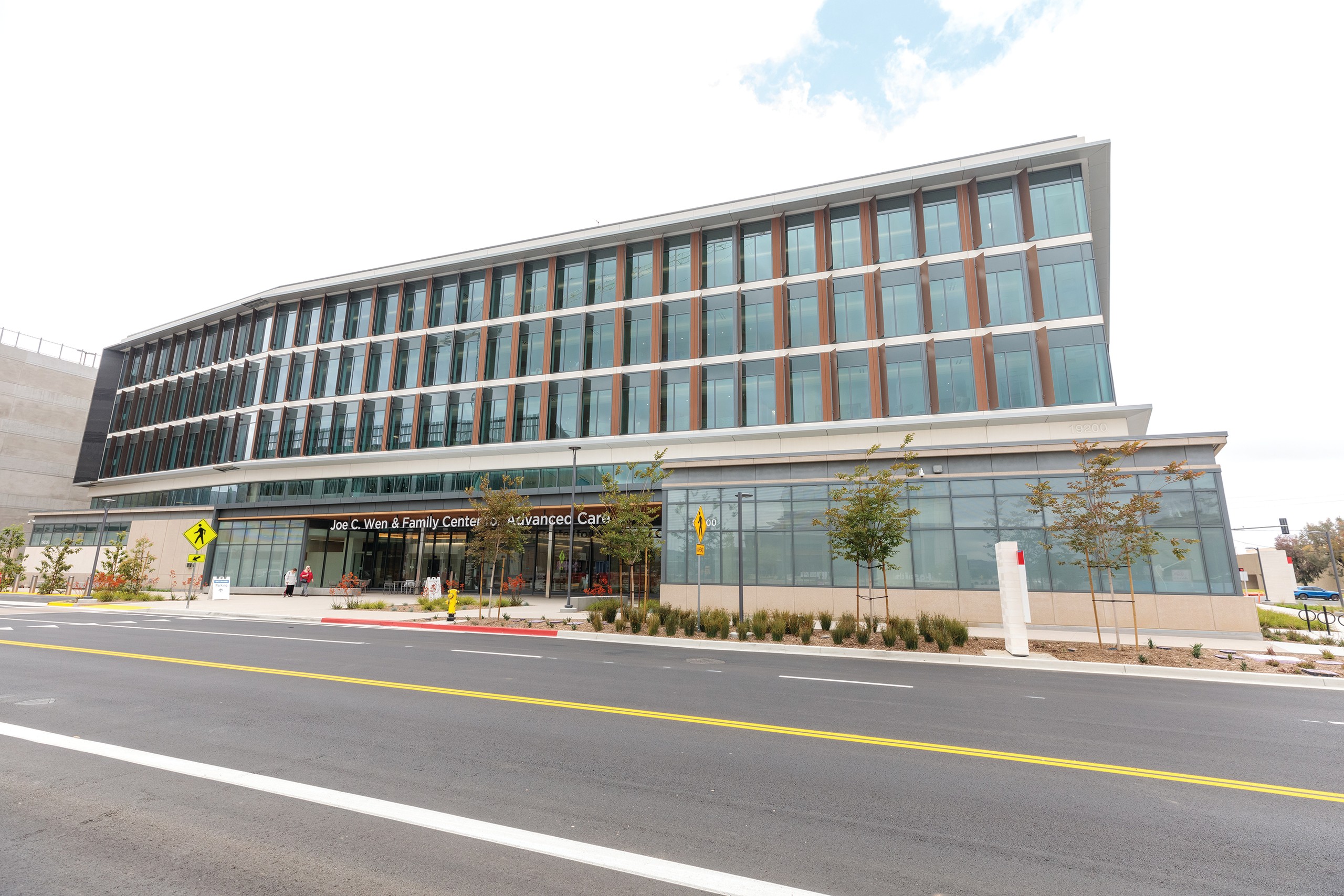
2024: Joe C. Wen & Family Center for Advanced Care – The five-story, 168,000-square-foot outpatient facility provides adult and pediatric specialty care and urgent care, as well as comprehensive laboratory services and radiology imaging. It also houses the Center for Autism & Neurodevelopmental Disorders.
Golden Reflections
Earlier this year, members of the founding UC Irvine alumni classes from 1974 and prior were inducted into the Golden Anteaters Society in a special ceremony. UC Irvine’s first graduates, the Golden Anteaters know firsthand just how much the campus has grown in the past 60 years. Three of them share their memories and observations in their own words just below and on the following pages.
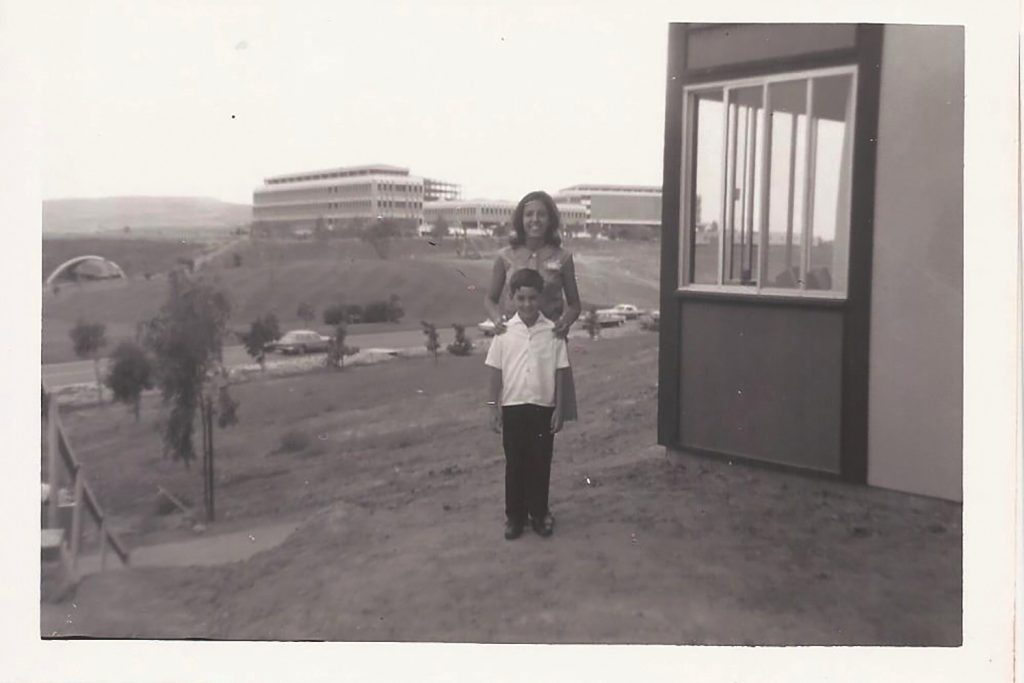
One June afternoon in 1964, Laguna Beach High School student Kathy Houts took a ride to her future, though it didn’t look like it at the time.
“The family piled into our station wagon, and we were soon on a dusty two-lane road headed to the middle of nowhere,” she recalls. “We parked, joined thousands of people in folding chairs, saw President [Lyndon B.] Johnson’s helicopter land, and listened to speeches about a university that wasn’t there yet. You could look in every direction and there was no skyline, just wide-open spaces. But I wondered, ‘How exciting would that be – to be in UCI’s first class?’”
She found out, as one of 1,589 students at the university’s launch in October 1965.
“It was a great little campus for learning, though very different from today,” Houts Miller says. “There were no paved paths in what’s now Aldrich Park, and sometimes the fog was so thick you couldn’t see your hand in front of your face. I initially lived in Mesa Court, where there were five girls’ dorms and five for boys, and they were locked down at night. For every five rooms, there’d be a shower and restroom area, and each building had a rec room with a refrigerator. Having an actual meal required a long walk to the cafeteria across from Langson Library.”
She graduated in 1969 with a B.A. in social science, returned in 1986 to obtain her paralegal certificate, then taught in UC Irvine Extension’s paralegal program for more than 30 years.
Christine Duranceau ’71, Ph.D. ’76
When Christine Duranceau was choosing which university to attend in 1967, one deciding factor was a leg injury that left her unable to drive for a year, though she could walk. “UCI already had a strong reputation in the sciences,” Duranceau says, “and I found I could get around, slowly, without a car, so I chose it.” She lived in the Mesa Court dorms her first year and got to know UC Irvine well during her days on foot.
“William Pereira’s buildings were so different, and I liked the novelty of that,” Duranceau says. “The park wasn’t a great place then to relax or study because most of the trees were no higher than your waist. There was a small place across Campus Drive where you could get a beer, but my main distraction was a coffee cafe called Patogh [“hangout” in Farsi] between the Physical Sciences and Computer Science buildings. There was almost always a bridge game going on, and you could join in at any time.”
After earning B.A.s in physics and mathematics in 1971, “I was on the other side of the swamp, earning my 1976 Ph.D. in developmental genetics and working in prefab buildings called the West Campus,” she says. “And when I’ve gone back to UCI for its 50th anniversary and Golden Anteater events, it’s grown so much that I’ve had to use GPS to get around.”
Peter Bowler, Ph.D. ’74
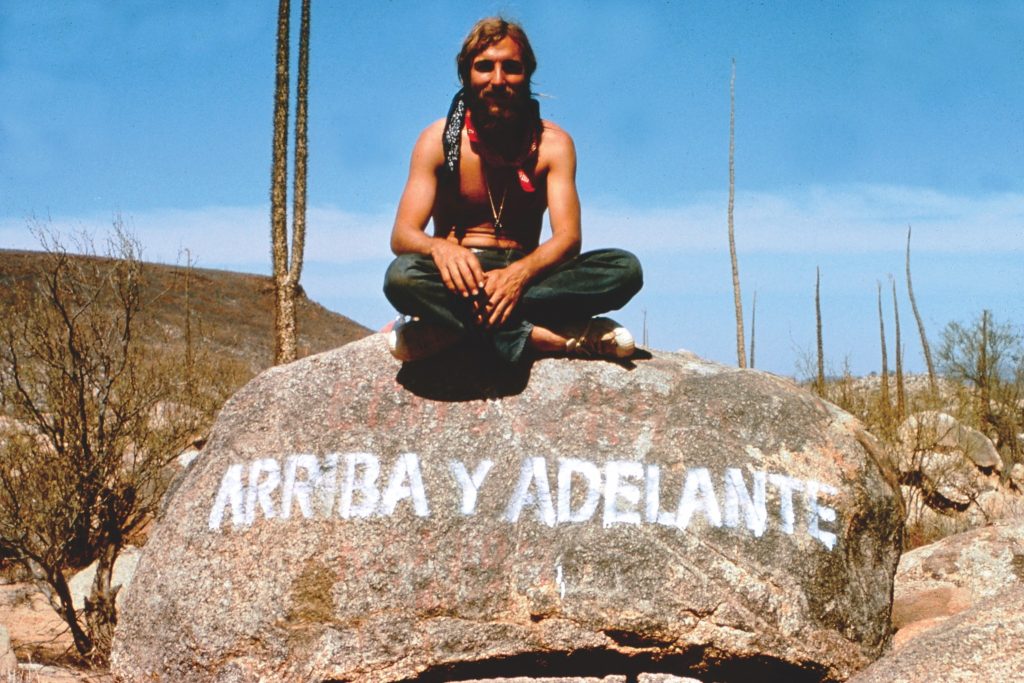
Many students coming to UC Irvine in its early days thought they were out in the sticks. When grad student Peter Bowler arrived in 1970, he had the opposite impression.
“I’d lived in rural Idaho and then at Bard College in the New York woods,” he says. “UCI was like arriving in civilization, maybe even on another planet, given these stark, strange-looking buildings.”
But Bowler soon learned that UC Irvine wasn’t all that civilized. Even in the 1970s, one didn’t have to walk far off campus to come across cattle herds – “and some even on campus,” he says. He recalls someone selling UCI T-shirts depicting cows instead of anteaters.
Bowler was delighted to discover the San Joaquin Marsh Reserve adjacent to North Campus, which practically became his second home for half a century – he was one of the marsh’s de facto caretakers, including in his official roles at various times as academic coordinator, manager and co-director. Except for two years away as a postdoc after earning his biology Ph.D. in 1974, he was at UC Irvine, chiefly teaching, until retiring in 2022.
Bowler was voted ASUCI Professor of the Year in Biological Sciences eight times and still gets called back to teach labs. Today, he continues activities related to preserving, funding and teaching about the marsh.
“Our recent 3.8 million-square-foot expansion for health teaching, research and service along with our distinctive commitment to lifelong wellness ensure nation-leading, patient-centered care for our community today as well as world-changing breakthroughs.”
Dr. Steve Goldstein Vice Chancellor for Health Affairs
On the Horizon
Change is inevitable, and UC Irvine will continue to grow and innovate as it heads into the next decade.
There are multiple projects in planning phases or already under construction, ranging from the UCI Jack & Shanaz Langson Institute & Museum of California Art to additional student housing that continues the transformation of the campus from its earlier days as primarily a commuter school into a robust residential community.
Below are several projects that aim for completion next year, including the UCI Health — Irvine hospital, which will ultimately bridge the academic research institution and the university’s medical enterprise – all on campus.
As UC Irvine founding Chancellor Daniel G. Aldrich Jr. said: “Irvine is not conceived as an isolated academia but as an institution that plays an active role in the transfer of learning to life.”
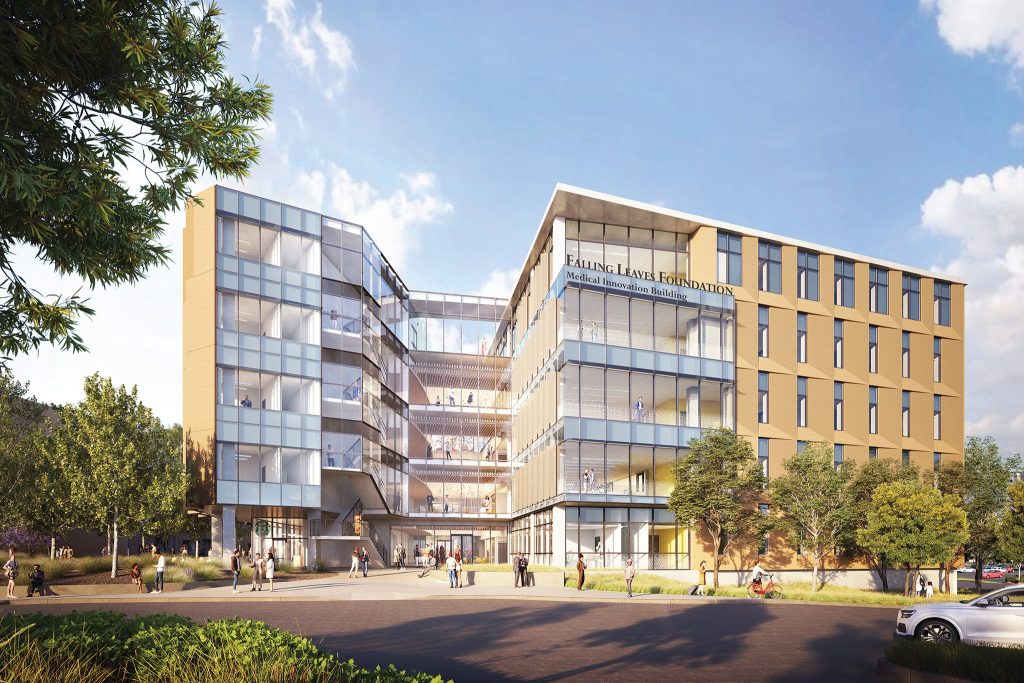
Falling Leaves Foundation Medical Innovation Building
UCI Health — Irvine
Falling Leaves Foundation Medical Innovation Building
Now open, this 215,000-square-foot facility is among the largest on the West Coast dedicated to basic, translational and clinical research. Designed to support cross-disciplinary collaboration, it brings together elite teams of researchers and practitioners working on some of healthcare’s most complex challenges.
UCI Health — Irvine
Now open at the corner of Jamboree Road and Birch Street, this state-of-the-art, seven-story, 144-bed acute care hospital expands access to advanced specialty care in Orange County. The campus includes a 24-hour emergency department and is powered by an all-electric utilities plant – a first for a U.S. medical campus.
Integrated with the UCI Health primary care network, it strengthens the connection between academic research and patient care, advancing the university’s mission to deliver innovative, patient-centered healthcare.
Dr. Steve Goldstein, vice chancellor for health affairs, says: “Our recent 3.8 million-square-foot expansion for health teaching, research and service along with our distinctive commitment to lifelong wellness ensure nation-leading, patient-centered care for our community today as well as world-changing breakthroughs.”
Help Us Grow Further
Become a member of the UC Irvine Alumni Association and stay up to date on the exciting things happening in the Anteater community, including campus updates and innovations. Membership dues also help provide scholarships to students and create access to networking opportunities and annual events for Anteaters around the world.